
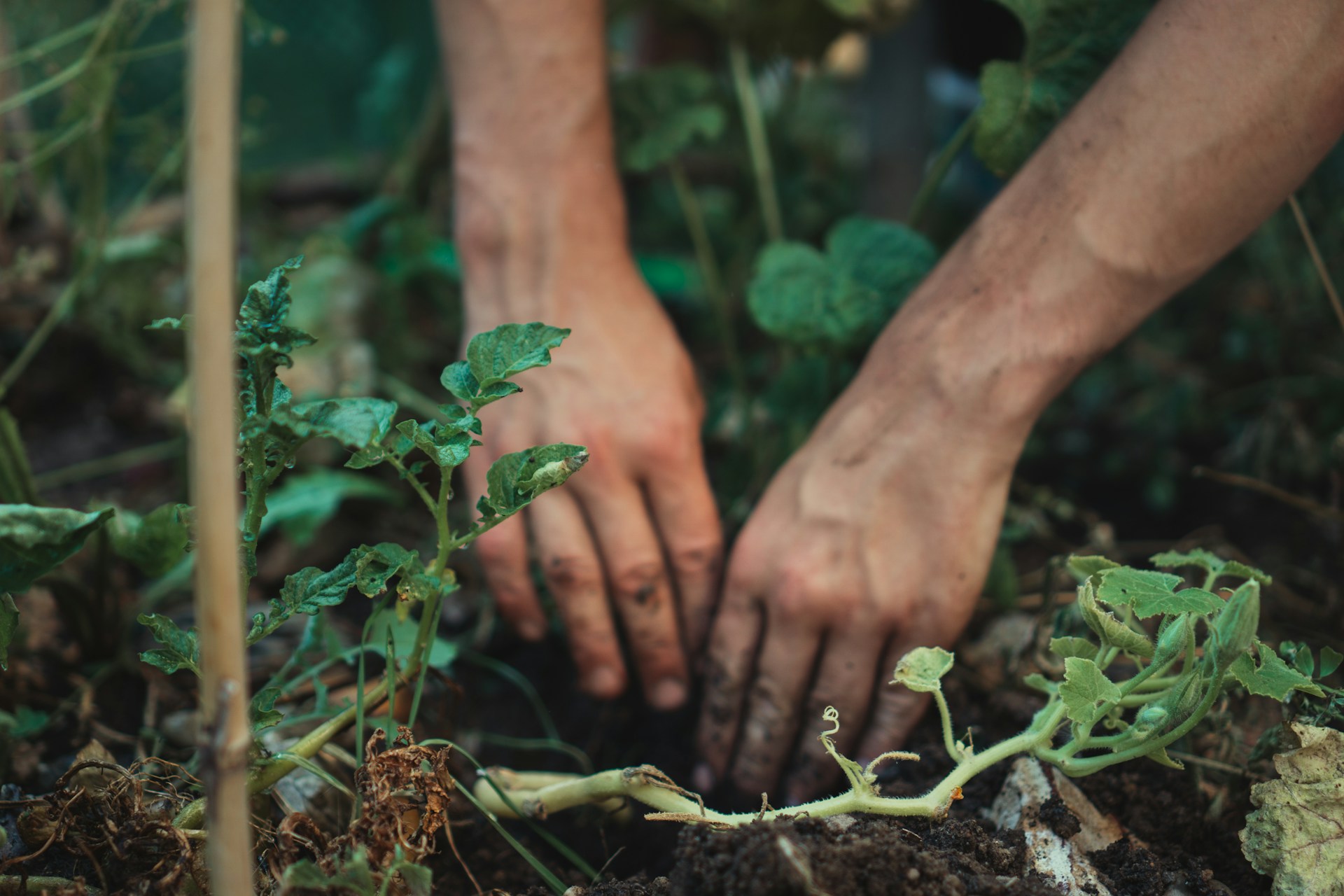
Gardening is a wonderful way to connect with nature, but it can be frustrating when plants don’t thrive as expected. One of the hidden challenges gardeners often face is soil deficiencies. These occur when the soil lacks the right balance of nutrients necessary for healthy plant growth. Identifying these issues early can spare your garden from potential problems and help ensure lush, robust plant life. In Kenner, Louisiana, where local climate conditions pose their own challenges, it’s especially important to be vigilant. The warm temperatures and variable rainfall can make soils prone to depletion or imbalance, affecting how well your plants grow.
So, how do you know if your soil is underperforming? Look out for key warning signs that might suggest a need for intervention. By paying attention to the details, you’ll be better equipped to address any issues promptly and get your garden back on track. After all, healthy soil is the cornerstone of a thriving garden.
Signs of Soil Deficiencies
Identifying the signs of soil deficiencies can make all the difference in maintaining a flourishing garden. Here are some telltale indicators that your soil might need a nutrient boost:
– Discolored or wilting leaves are often a first clue. When leaves turn yellow or pale, it might mean your plants aren’t getting the nutrients they need.
– Stunted growth can signal a deficiency too. If your plants aren’t reaching their expected height, the soil may be falling short in providing essential elements like nitrogen or potassium.
– Poor flowering or fruiting is another sign. When plants don’t flower as they should or produce scant fruit, it’s worth checking the soil’s health.
– The presence of pests or diseases can sometimes point to deficiencies. Pests are more attracted to weakened plants, and diseases may exploit the vulnerability created by nutrient-poor soil.
Observing these signs can help you pinpoint the root of the problem early, allowing you to take the necessary steps to amend the soil. By ensuring the soil is nutrient-rich, you can promote healthier plant growth and a more vibrant garden.
Common Causes of Soil Deficiencies
Soil deficiencies can stem from several different sources, and understanding these causes is critical for effective gardening. One of the most frequent culprits is nutrient depletion, which happens when the soil is used continuously without replenishing its nutrient supply. Over time, plants repeatedly drawing nutrients from the same soil can leave it lacking in essentials like nitrogen, phosphorus, and potassium.
Another factor to consider is the soil’s pH balance. If the pH level is off, even slightly, it can hinder a plant’s ability to absorb nutrients effectively. Certain nutrients become unavailable to plants if the soil is too acidic or too alkaline. It’s a bit like trying to fit a square peg into a round hole; despite the presence of nutrients, the plant can’t make use of them if the pH isn’t right.
Compaction and drainage issues also pose challenges. Compacted soil can restrict root growth and water flow, leading to less efficient uptake of nutrients. Waterlogged soil can drown roots, while dry patches can deprive them of moisture and essential elements. Last but not least, contamination from chemicals or previous land use can impact soil health. Past use of pesticides, herbicides, or even industrial pollutants can leave residues that affect how plants grow.
Methods for Testing Soil Health
It’s crucial to keep an eye on the health of your soil, and thankfully, there are straightforward methods to do this. First, home soil testing kits provide an easy and quick way to assess your garden’s soil condition. These kits typically offer insights into nutrient levels and pH balance, allowing you to identify immediate concerns.
For a more detailed analysis, consider using professional soil testing services. Professionals provide a comprehensive breakdown of the soil composition, helping identify specific nutrient deficiencies or imbalances. Their expertise can lead to more tailored solutions for enhancing soil health.
Another practical approach involves observing physical soil characteristics. Notice how water is absorbed; if it pools excessively or drains too quickly, there might be a problem. Check for soil compaction by pushing a probe or stick into the ground. If it meets significant resistance, you might need to address soil density.
Addressing and Preventing Deficiencies
Addressing soil deficiencies calls for proactive measures. Start by adding organic matter or compost. This enriches the soil and gradually releases essential nutrients, improving both structure and fertility. Adjust soil pH if needed by using lime to raise it or sulfur to lower it, based on your soil test results.
Ensuring proper irrigation practices prevents further issues. Make sure your watering methods are consistent and suited to your plant’s needs, avoiding both overwatering and underwatering. Rotate your crops and avoid overusing specific patches of soil to reduce the strain on any one area. This natural rest cycle lets the soil recuperate and maintain its nutrient profile over time.
Keeping Your Garden Thriving
Maintaining a healthy garden requires regular soil care. By consistently checking and amending the soil, you pave the way for lush growth and vibrant blooms. Embrace soil health as an ongoing commitment, and you’ll reap the rewards of a thriving garden. With a bit of diligence and attention, you can help your plants flourish, creating an outdoor space that’s both beautiful and bountiful.
To keep your garden flourishing all year round, consider partnering with local landscape supply companies for your soil needs. Reliable Soil Co. Inc. offers a range of high-quality products and expert services to help you address any soil deficiencies. With the right support, you’ll be well on your way to cultivating a thriving outdoor space in Kenner, Louisiana.