
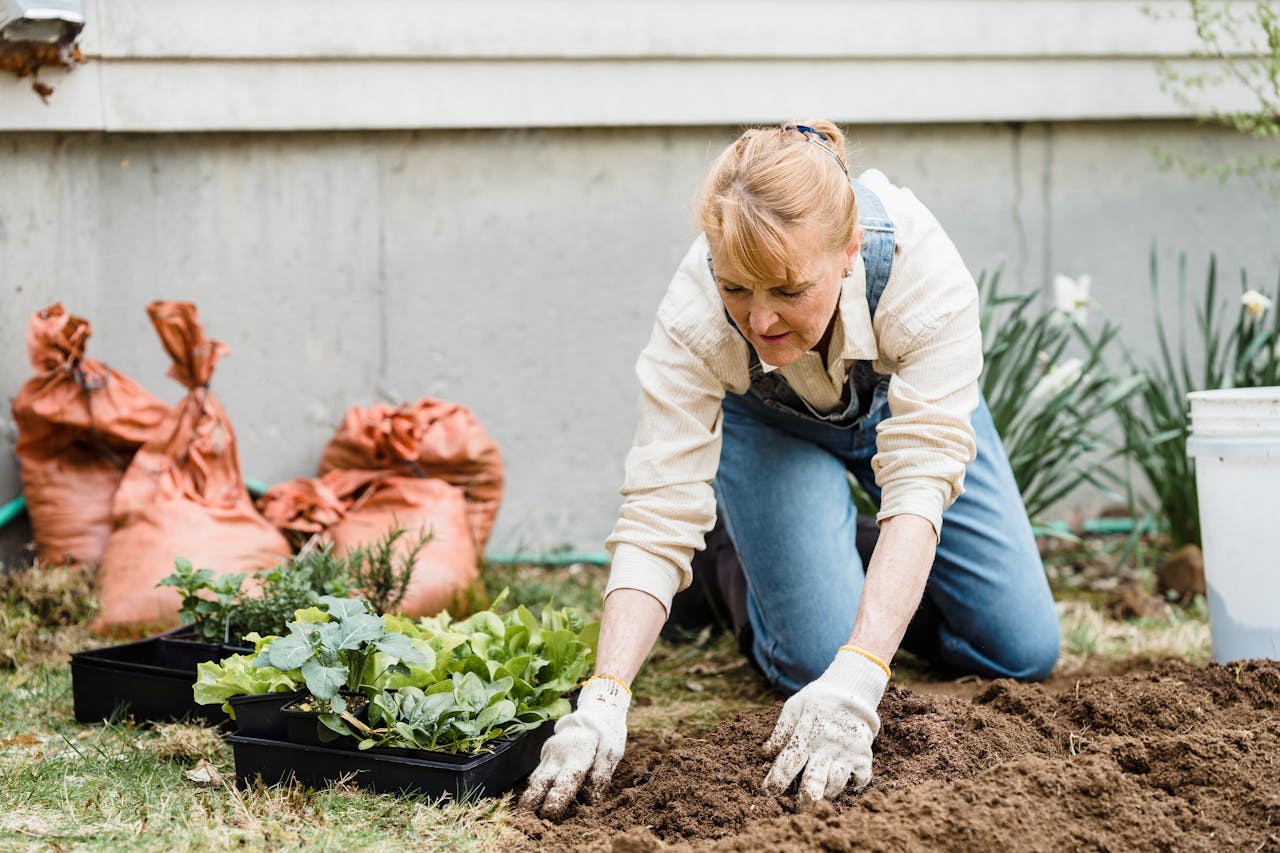
By late February in Louisiana, winter is starting to let go, but spring hasn’t fully arrived. That mix of warming days and cool, damp nights can leave your garden soil uneven and tired. If the dirt you step on feels like it’s sticking to your shoes or dries out too fast, there’s a good chance it needs a little help before planting season really starts. That’s where a garden soil conditioner comes in.
A garden soil conditioner is exactly what it sounds like. It works to fix what’s wrong with your existing soil, so it becomes easier to manage and healthier for roots. Think of it as prep work that makes your yard more ready for March and April. The goal isn’t just to throw something on top and call it done. It’s about giving your soil what it needs to support healthy, steady growth. And this time of year is one of the best times to start.
What a Garden Soil Conditioner Actually Does
Soil conditioners tend to be confused with compost and fertilizer, but each works a bit differently. Fertilizer adds nutrients like nitrogen and phosphorus. Compost is mostly broken-down organic matter that helps feed the soil slowly. A garden soil conditioner focuses more on structure.
When you work conditioner into your soil, here’s what it can do:
• Loosen tight, compact dirt so air and water can reach roots more easily
• Improve drainage in clay-heavy or soggy spots that stay wet for too long
• Help dry, sandy soil hold moisture more evenly for longer periods
Good soil needs to breathe. If it stays packed too tightly, roots struggle to grow deep. That limited root space leads to weaker plants. Conditioners don’t always feed plants, but they give roots a better place to live. When you create a balance under the surface, everything above the soil starts working better, too.
Conditioners play an important role in helping your soil overcome past damage from heavy rains or compaction. When Louisiana’s winter rains cause soil to compact, it prevents healthy circulation below the surface. Using a conditioner can break up these tough layers, allowing plant roots and beneficial insects to move freely throughout the soil.
Why Late Winter Is a Good Time to Use One in Louisiana
We’re in a unique pocket of the year, around mid-February. That’s when we start noticing how winter has treated our soil. In Kenner, Louisiana, the evenings might still bring some chill, but daytime temperatures are climbing. Rain is common, but real heat hasn’t settled in yet. That mix causes soil to stay wet longer or dry awkwardly between showers.
Prepping soil in this late winter window gives your conditioner time to settle in and start blending with what’s already in the ground. It isn’t an overnight process. Giving it a few weeks to rest before seeds or small plants go in can make a big difference.
Here’s how using conditioner now helps:
• It can reduce soil clumping before you face drier, warmer conditions in spring
• You’ll find it easier to turn or rake the soil later without dealing with hard patches
• Conditioned soil needs less tilling, especially around trees or beds where roots already live
Getting ahead now means you’ll be ready when the season shifts fully into spring and things start growing fast again.
By applying a conditioner in late winter, you maximize the soil’s readiness for upcoming changes in weather. As soon as spring showers and rising temperatures take hold, healthy and properly conditioned soil will respond quickly, supporting both established plants and any new seeds you plan to put in the ground. Waiting too long can make the ground harder to work with and delay the growth of your new plants.
How to Choose the Right Product for Your Yard or Garden
Not every soil conditioner is the same. What matters most is picking one that fits your yard’s current shape. If water doesn’t drain well or the ground feels cracked or too loose, the kind of conditioner you use will make a real difference.
Here’s what to think about:
• Texture – crumbly conditioners spread easily and mix better with your existing soil
• Organic content – materials like composted bark, leaf mold, or fine mulch help soils stay rich without overwhelming roots
• Blend – some conditioners include sand or peat to help with moisture control
The part of your yard you’re working in affects what you need to. For garden beds with annual flowers or vegetables, lighter conditioners are easier to work in by hand. For lawn areas or sloped sections, you may want something heavier that stays put longer. If you’re unsure, take a moment to check how your soil behaves after a rain. That can tell you more than you’d expect about what type fits best.
If your soil is extremely sandy or dry, choose a conditioner with higher organic content to enrich it and improve water retention. If you struggle with clay-heavy, sticky areas, look for amendments that offer a grittier texture. It often helps to ask about locally recommended blends, since Louisiana’s soils can vary from neighborhood to neighborhood. Remember to also consider how much conditioner you will need and whether bulk or bagged product fits your gardening project.
Mistakes to Avoid When Using Soil Conditioner
Conditioner can be helpful, but it works best when it’s used correctly. Some of the biggest problems come from either using too much or leaving it untreated after it gets spread.
Here’s what we watch for:
• Adding too much at once – thick layers may block air instead of helping it flow
• Not mixing it in – laying conditioner right on top won’t do much unless it gets worked into the top few inches of soil
• Using it like mulch – conditioner isn’t a moisture barrier, and it won’t protect plants the same way mulch does
• Spreading in standing water – if your soil is already soaked, let it dry a bit first, or the conditioner might clump and stay wet for too long
Every product needs a little time and handling. Don’t rush the process. Conditioner isn’t about quick results but setting up a better base for everything that comes next.
A common pitfall is assuming that more is always better with conditioners. Applying a thick, heavy layer can actually prevent proper air and moisture flow to developing roots. Take your time to blend the conditioner gently and evenly.
If you’re working across a new bed or restoring a patchy lawn, be patient and give the conditioner at least a week to integrate before planting. Inspect your soil the next day and moisten it if it’s dry, helping the conditioner break down and blend well. Practice patience and trust that a gradual approach produces the best long-term results for your garden.
Plan Ahead for a Better Spring Garden
The weather might still feel like winter, but it won’t stay that way for long. We’re right at that point in the year when timing really helps. By working in a garden soil conditioner now, we give our soil a chance to improve before spring planting happens.
Healthier soil means fewer headaches later. Roots grow better. Water soaks in where it should. Plants take off faster without needing constant fixes. It’s one of the simplest steps we can take, but it pays off once leaves and flowers start showing up. A little early work now makes your yard stronger all season long. And getting the timing right can make spring feel a lot less rushed.
Yards in Kenner, Louisiana, deserve the best start before spring arrives. Using a quality garden soil conditioner makes planting, watering, and caring for your landscape easier all season long. Our blends at Reliable Soil Co. Inc. are crafted to work with local conditions, so your garden grows healthy from the very beginning. Reach out today to schedule your order and let us help your project succeed.