
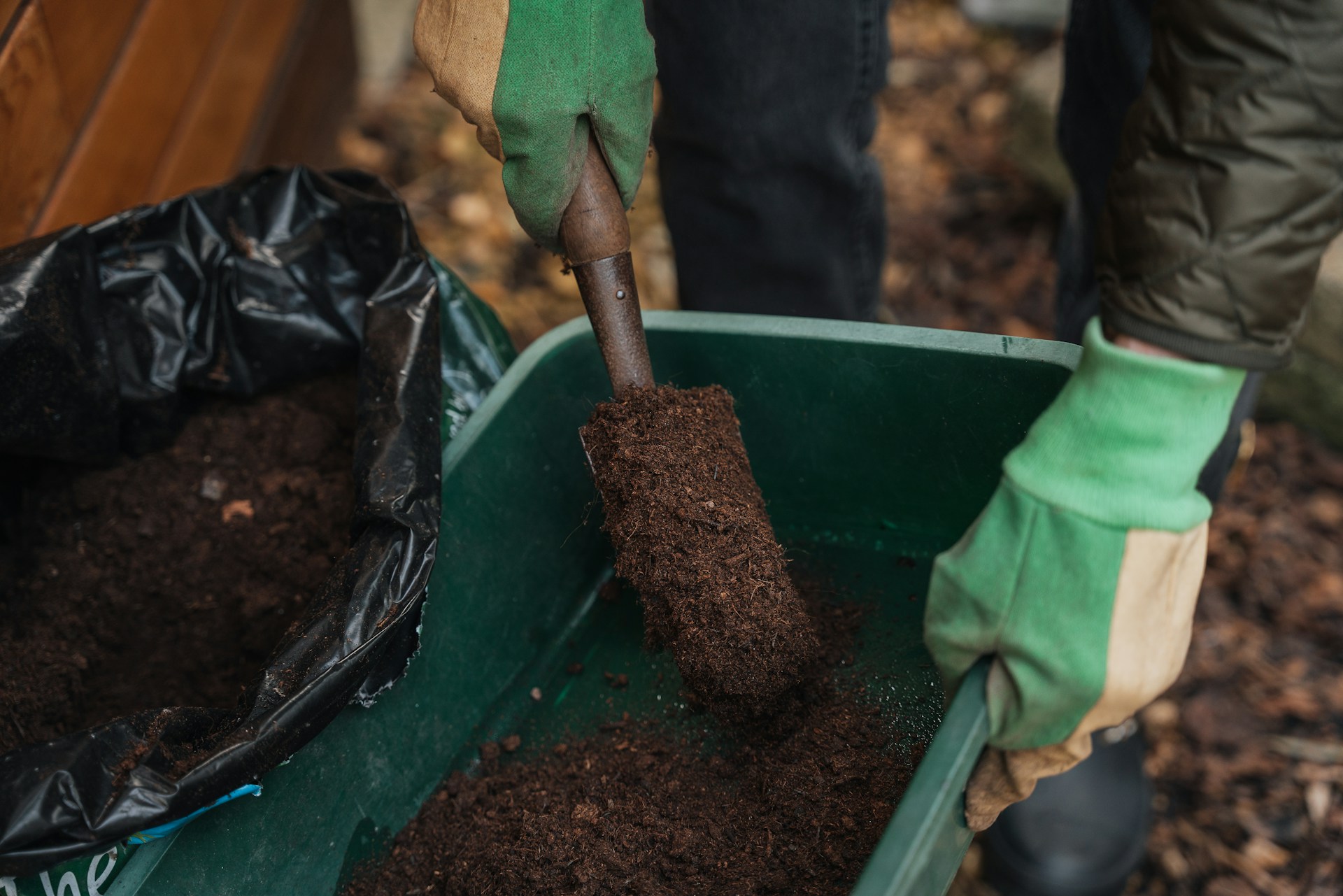
February may still carry traces of cold, but anyone planning ahead knows it’s the right moment to think about spring yard work in Kenner, Louisiana. The ground starts to shift from winter’s grip, and longtime gardeners know this change is the opening for new growth. Whether you’re managing planting beds, prepping drains, or repairing settled spots from too much rain, getting ready now makes spring go a lot smoother.
We’re already seeing more people look for garden soil for landscape supplies during this window. That’s because the right soil becomes the foundation for nearly everything else. Still, not all soil is made equal, and each property has its own quirks. The key is to understand what your yard actually needs and when to bring materials in. Let’s walk through how to judge your space, match soil to your project, and get deliveries timed right, so everything’s in place once warmer days settle in.
Checking Your Yard Conditions Before Ordering
Before rushing to order soil, spend some time outside. Even if nothing is growing yet, the land itself says a lot. We always start by walking across the area and looking for signs of trouble.
- Heavy or soggy patches could mean poor drainage from winter rains
- Thin grass or bare garden rows might point to missing nutrients or old soil
- Low or sunken spots along pathways or beds may have settled during cold snaps
Louisiana’s wet winters don’t just change how the yard looks, they shift how everything drains. Water might be pooling where it didn’t last fall. Roots may have frozen in place, leaving dead patches. Checking for compact soil is especially helpful. If your boots sink or your shovel can’t break through the top few inches, it might be time to refresh what’s underneath.
The goal here isn’t to solve every problem but to build a simple list of where extra material is needed. That helps make sure deliveries are sized right, and you’re not scrambling mid-job with the wrong mix or not enough supply.
Types of Soil and Blends That Work Well in Late Winter
Winter recovery needs different materials than peak growing season. We usually talk about three main types of mixes when prepping in February: topsoil, garden soil, and blended landscape soil. Each one solves a slightly different problem.
- Topsoil is the upper layer, often used for leveling out shallow dips or topping off low areas
- Garden soil is richer and works well for flower beds, planters, and vegetable rows
- Landscape soil blends help with structure and go deeper to support root zones and drainage paths
In most early spring prep work, plain topsoil isn’t enough. Adding compost helps give plants a better head start. Mixing garden soil with things like washed sand or pine fines can restore flow and make heavy ground lighter. In soggy spots or areas hit hard by runoff, coarser materials can make all the difference.
We don’t always need to change everything, just lighten what’s compacted or feed what’s weak. Texture plays a big role here. Fine mixes might feel soft but can pack tight once wet. For open beds or box planters, softer blends hold root zones better. Along walkways or edges, we might go with something coarser to stay firm during storms.
Matching the Right Soil to the Job
Every yard ends up with different needs, especially after a long winter. That’s why we plan around specific uses. This way, we don’t undercut the project by using poor-fit soil in the wrong space.
- For raised beds, garden soil mixed with compost gives enough nutrients but still drains well
- Flower beds might need a finer blend to make planting cleaner and reduce clumping
- Lawns and flat surfaces often benefit from a sturdy mix that includes sand to control runoff
Picking the right garden soil for landscape supplies depends on what you want the area to do. In Kenner, Louisiana, our winters usually bring more moisture than freezing temperatures. That means soil needs to stay light and drain properly, plants can’t breathe in thick, sticky beds. Choosing the right structure and blend now makes it easier for roots to expand once spring sets in. It helps get ahead of problems like rot, puddles, or erosion in sloped yards.
Timing and Storing Soil for February Deliveries
Ordering early is smart, but only if the space is ready. Nobody wants to deal with a giant stack of soil sitting in the rain. That’s why timing and storage matter as much as the mix.
- Check the 10-day forecast and try to plan for dry days ahead
- Clear a drop space on a driveway or tarp-covered part of the yard
- If spreading can’t happen right away, cover the top with a heavy-duty tarp and weigh the corners
It’s also a good idea to prep tools before the soil arrives. Wheelbarrows, rakes, and shovels should be nearby, not still in the shed behind holiday boxes. You’ll move faster and stop gravel or dirt from spreading where it doesn’t belong. If piles sit out too long, they absorb moisture and get heavier. That’s why even just staging for a couple of days should include protection. Early delivery lets materials settle a little, which gives everything time to work with the ground instead of sitting loosely on top.
How Early Work Pays Off When March Rolls In
When soil is in place before spring truly begins, it changes the whole process. Letting it sit for a week or two gives it time to settle and adjust to the space. That way, you’re not planting into material that shifts or sinks halfway through your project.
Making these updates in late February avoids the spring rush, where everyone else is trying to catch up. It’s easier to get the amount you need, avoid delivery delays, and work at your own pace. When March rolls around and mornings start warming, your soil is already blended in and water-ready.
Starting early means healthier beginnings. Beds won’t dry out too fast from shallow layers. Lawns will have firmer footing. Spring work becomes about planting instead of fixing, and that gives your yard a stronger start for the months ahead.
Order Premium Soil in Kenner for a Strong Spring Start
Reliable Soil Co. Inc. provides premium garden soil, blended topsoil, and custom mixes that are always sourced and prepared locally for Louisiana’s climate. We offer both retail and bulk delivery, along with materials like compost, sand, mulch, and specialty blends for yards and landscape projects, so you’ll always have the right base for your spring work.
Spring is just around the corner in Kenner, Louisiana, and now is the perfect time to refresh your yard with quality soil. The right mix can make a real difference in your garden beds, containers, and low spots. Explore our selection of garden soil for landscape supplies to give your outdoor spaces the best start. Call Reliable Soil Co. Inc. today to schedule a delivery that works with your plans.