
Even though winter is still holding on, February signals it’s time to start preparing for spring. Warmer, longer days are on the horizon, and that means many of us are starting to line up what we’ll need to get soil and planting areas in shape. One of the first materials people look for is garden sand for sale, and there’s a good reason it shows up early on the list. The right kind of sand can make a big difference in how your garden behaves once things heat up, helping plants get off to a better start and making the ground easier to work with.
Picking the right sand is more than just grabbing whatever’s available. Different types support different goals, and depending on your soil and space, one choice might work better than another. Especially in places like Kenner, Louisiana, where soils can vary yard to yard, understanding what to use and when to use it really matters. Getting it right now saves trouble later.
Understanding the Role of Sand in Garden Prep
We use garden sand to change how soil acts. Most of the time, that means improving drainage or helping break up dense, heavy patches that don’t breathe well. Without enough air or flow between particles, soil can feel sticky and tight, keeping roots from spreading and water from sinking in.
Here’s how sand helps us fix that:
• It adds structure, which gives roots more room and helps air reach down into the soil.
• It pulls heavy soil apart, especially in clay-rich spots that get muddy when wet and hard when dry.
• It encourages water to drain more evenly, which protects roots and lowers the chance of rot or pooling.
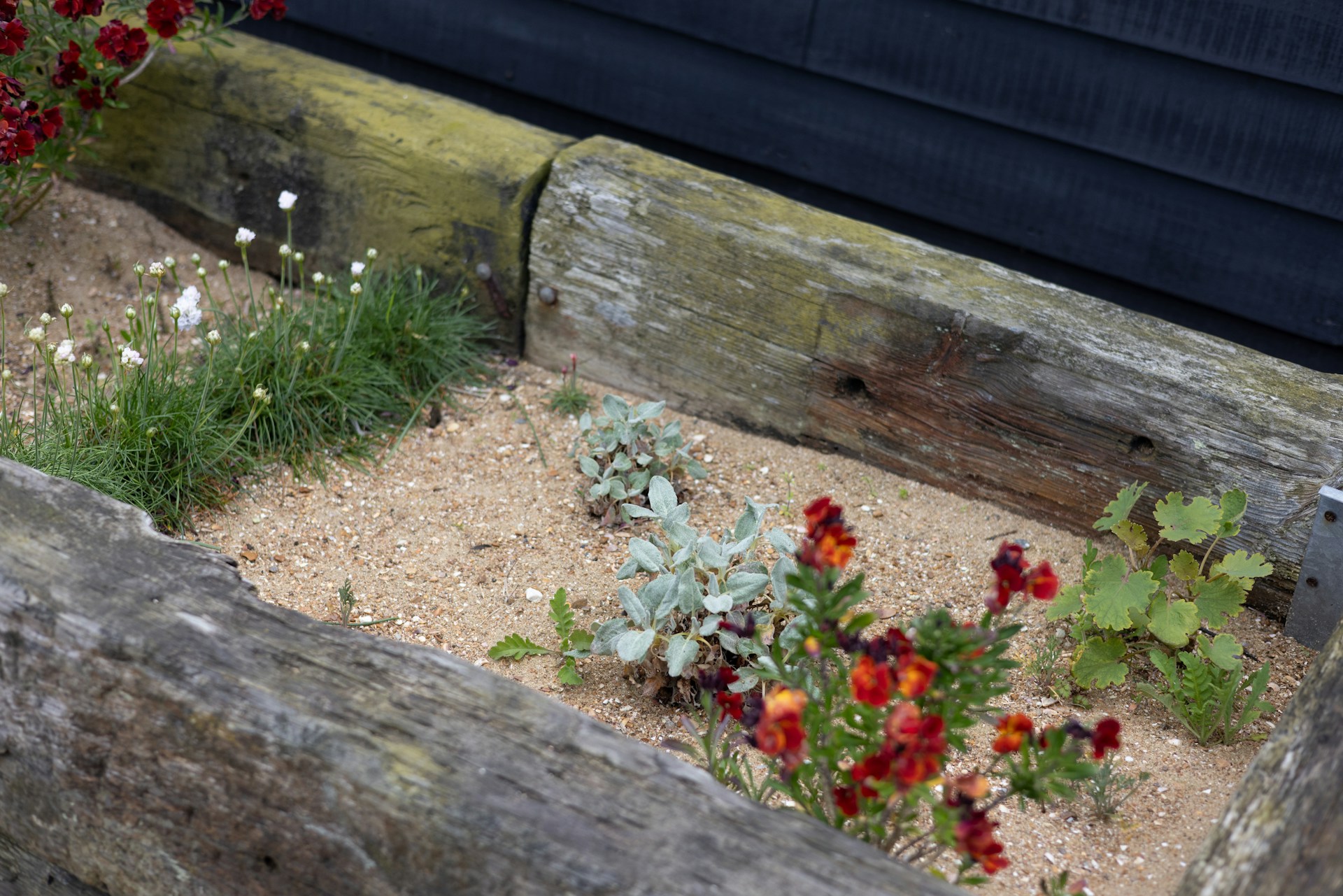
Sand works best when blended with other organic matter, not just dumped on top. In raised beds, it helps manage moisture levels and reduce compaction. For flower beds or garden plots, we use it to lighten the mix and support early root systems. In problem areas with soggy patches or poor runoff, sand leads to faster drying and keeps mold or fungus from taking over.
In Kenner, Louisiana, we often deal with soil that stays damp longer than we like. That’s where sand becomes part of a larger fix; it balances out local conditions without needing to replace what’s already there.
Choosing the Right Type of Garden Sand
Not all garden sand is the same. Each type behaves differently, which is why picking the right one depends on the shape of your yard and your end goal. The wrong kind will either clump too tightly or won’t stay in place once the weather shifts.
Here are a few types we see used most often:
• Coarse sand – Heavy particles that won’t wash away easily, ideal for mixing into dense clay soils.
• Masonry sand – Finer texture and better for topdressing or smoothing beds without rough patches, but can compact if used alone.
• River sand – Rounded grains, lower in clay content, and works well in both soil blends and drainage trenches.
We try to avoid construction-only sands since some are too fine or full of debris. These can hold too much moisture or cause layers to seal instead of drain. Look for clean sand that’s screened and consistent in size. If you’re loosening soil that’s already tough or sticky, go with coarser sands that hold shape even when wet. For garden beds with decent structure already, a finer option may help create a smoother top layer for planting.
When shopping, make sure the sand comes from a reputable source and matches what you need for your planting space. Some sands are meant for mixing deep in garden beds, while others work well as a surface layer to stop compaction or crusting. You’ll get the best results by choosing based on your yard’s condition and your main use for the sand.
How Much Sand You’ll Need and How to Plan Delivery
Getting the amount right helps keep your time and budget in check. Garden sand isn’t something we want to overbuy or run short on midway through the job. A general rule is to measure your space in square feet, then decide how deep you want the sand layer to go. Divide it into feet, then multiply to get cubic feet. That total will help you estimate what you need.
Once you know the amount, think about how you want it delivered:
• Smaller bagged amounts work well for spot fixes or top layers.
• Bulk delivery fits better for full-bed mixes, raised beds, trenches, or prep across larger areas.
If you’re having bulk sand delivered, make sure the drop spot is open, flat, and easy to reach. Clear a space or tarp an area in advance. Then double-check the weather. Rain makes sand heavy and harder to move, and you don’t want your stack turning into a soggy mess before you can use it. Have the tools ready (shovels, rakes, wheelbarrows) so nobody is scrambling last minute.
Spreading sand soon after it arrives helps it blend more evenly with existing soil and reduces clumping or moisture buildup. If you need to store it for a short while, keep the pile covered and away from foot or vehicle traffic. A little planning with your delivery goes a long way toward a smooth project.
Timing Your Sand Delivery for Best Results
February is a smart time to bring in sand around Kenner. The ground isn’t too hot yet, but things are starting to shift. If your yard holds water after rain or stays squishy in certain areas, don’t wait. We often get early bursts of heat as winter closes out, followed by another round of cooler, wet days. That weather combo risk traps moisture in problem zones and delays spring work.
Keep these tips in mind when timing a delivery:
• Try to spread sand a few days before rain so it has time to settle in with the soil.
• Don’t lay it on top of frozen or overly wet ground. Let it dry out a bit for better blending.
• If rain hits before you’re ready, keep the pile covered or move sand to a high, dry spot until it’s time to spread.
Prepping now gives the soil time to adjust and makes early planting easier. The more stable the base, the better your spring growing season will go. You want everything ready to go when spring temperatures warm up for good.
Avoiding Common Problems When Buying Garden Sand
We’ve seen plenty of small issues turn into big delays just because the material wasn’t right. Some listings don’t mention where the sand came from or what’s in it. Others might offer pricing that looks good upfront but leave you with damp, dirty sand that takes extra time to clean and move.
Before placing your order, do the following:
• Make sure the sand type is clearly listed, including whether it’s coarse, washed, or screened.
• Ask if it has clay or silt mixed in, which can affect how it drains or packs.
• Watch for signs of poor storage like wet patches, stains, or clumps stuck together.
Pricing matters, but not more than getting something that actually works with your yard. In our region, soil varies a lot, so we try not to trust products that don’t match our local conditions or fail to perform once they settle in. A few thoughtful questions upfront can save time and effort later. Double-check your delivery to be sure you’re getting what you expected and that the sand is dry and clean.
Sometimes, what you save by buying lower-priced sand is lost when you need to spend extra time prepping or sorting it. Stick with what’s proven to blend well with your local soil, and don’t be afraid to ask about previous customer experiences if you’re working with a supplier for the first time.
Giving Your Garden a Better Start this Spring
Taking care of low spots, heavy soils, and clogged areas now is a smart move. By finding the right garden sand for sale and planning for proper timing, you can set up a stronger garden from the start. February might feel early to some, but it gives us time to work ahead of the heat.
Once spring shows up fully, you’ll be glad the groundwork was already done. Loose, drainable, balanced soil is the kind of base plants like to stretch out in. And when your garden starts strong, the rest of the season has an easier time falling into place. Preparing now is simple, and the payoff lasts for months.
Spring planting in Kenner, Louisiana, deserves the perfect soil blend, and we have bulk and blended materials to help with everything from raised beds to tackling low spots in your yard. Our premium mixes boost drainage, reduce compaction, and give your plants a strong head start. Searching for clean, reliable garden sand for sale that actually works with local soil? Reach out to Reliable Soil Co. Inc. today to schedule your order.