
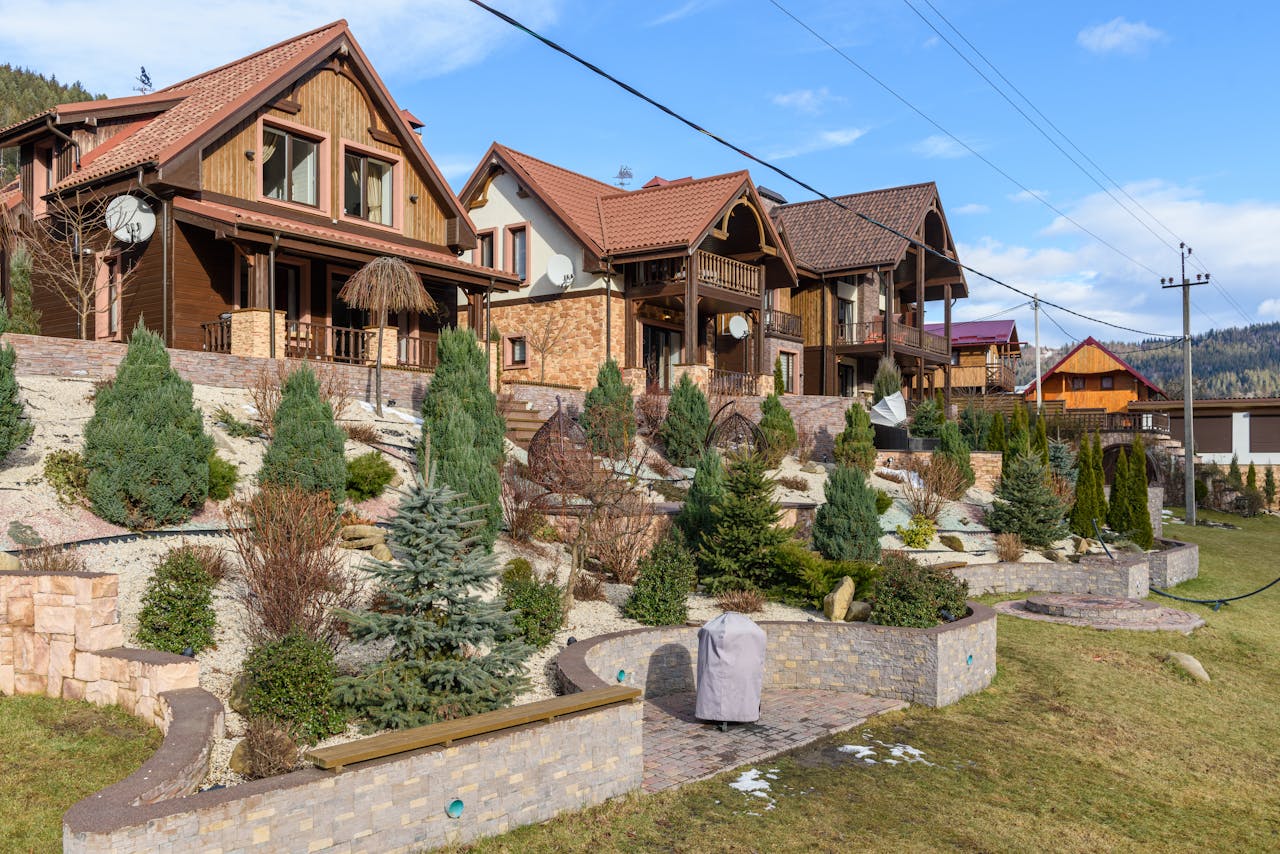
When a big outdoor job is on the table, like expanding garden beds, leveling ground for a new build, or reworking an entire yard, it helps to line up the right materials before anything else begins. Those kinds of projects move fast once they start. So having access to what you need, when you need it, makes a major difference. That’s usually when the search for a solid landscape supply company near me starts.
In a place like Kenner, Louisiana, where summer heat settles in early and rain doesn’t always follow a pattern, the right products matter more than just appearance. Materials have to stand up to moisture one day and blazing sun the next. Being local matters too. It shortens timelines and cuts down delivery surprises. So as planning gets serious and summer inches closer, it’s smart to think about supply choices now, before daily temps start rising and the work gets harder to undo.
Choosing the Right Materials for Louisiana’s Weather
We know firsthand that Louisiana’s mix of heat and moisture doesn’t always play nice with garden beds or site prep. Add in things like low-lying areas and soil that compacts over time, and material choice becomes one of the first things to get right.
- Thick mulch isn’t just for looks. It slows water loss on hotter days and keeps weeds from crowding areas that get full sun.
- Moisture-control soil blends help roots take hold without drowning them after heavy rain. They also keep flower beds from baking during long dry gaps.
- Gravel and durable stones give water a way out when saturation builds up. These materials are common around drain paths or used as ground cover in wet-prone zones.
When materials aren’t suited to the climate, they break down too fast. Mulch fades. Soil turns to clay. Rock shifts. Getting ahead of that by choosing long-wearing products keeps things in place longer. It also saves time when we get our typical Louisiana back-and-forth weather.
Choosing the right materials also depends on evaluating the specific conditions of each section of your outdoor project. In parts of the yard that tend to get more shade, it often makes sense to use a different mulch or soil composition than in areas exposed to strong sunlight. Some stone types work better for drainage on slopes, while others are better suited for level ground. By matching products to microclimates within your property, you get improved results without unnecessary upkeep or repair.
What Big Projects Usually Need From a Landscape Supplier
When the job covers a lot of ground, it’s not just about what looks good. It’s about what holds steady once tools hit the dirt. Larger projects usually need more consistent supply support upfront and throughout the build.
- Bulk soil deliveries keep everything moving without constant waiting between steps
- Mulch by the yard makes it easier to cover wide areas evenly without mixing different colors or textures
- Washed sand improves drainage, particularly when used under pavers, footpaths, or around fixtures
- Crushed limestone holds firm in traffic zones like driveways or at the edge of patios
The more square footage a project covers, the more it benefits from steady supply scheduling. That’s where load size and timing matter. Without regular resupplies that match the job’s pace, crews end up waiting, or worse, cutting corners with the wrong material just to keep going. Planning ahead with a consistent product source often saves hours later when those hold-ups start adding up.
Many big projects also benefit from keeping records of material use as work progresses. For example, tracking how much mulch or gravel goes into each stage can help adjust future orders and keep you from overbuying or running short. Some crews mark off sections as they finish to clearly see how the job unfolds. These small habits have a big payoff in keeping large sites organized.
Even organizing piles of materials helps with efficiency. Separate stacking spots for gravel, stone, and mulch avoid mix-ups and keep the job moving when weather shifts force a quicker pace. It’s small details like these that keep momentum strong, especially when summer storms roll in and every hour counts.
How Local Supply Options Support Faster Project Timelines
When you’re working through a job that covers half a property, or more, small delays don’t stay small for long. Having a nearby supplier helps keep that momentum moving.
The closer the provider, the quicker we can update or restock if something changes. Whether it’s more fill dirt for elevation work or a substitute stone that’s better for drainage, distance matters once deliveries become a regular part of the job. Tracking down the right landscape supply company near me cuts down lag time and keeps materials showing up when the build schedule expects them.
We’ve all seen what happens when a week of rain sets things back. Or when a slab shift suddenly calls for more leveling sand. Having support nearby gives us options that don’t require waiting through long delivery slots or sourcing last-minute fixes from far-off locations. That’s the kind of flexibility that keeps things on track.
Another advantage to local supply is the ability to quickly swap out a material if the weather does something unexpected. Louisiana summers can bring fast changes, and a product that was perfect on Monday might need to be changed out for something better by Friday. When the supplier is nearby, getting those adjustments made doesn’t interrupt the whole week’s plan.
Having a relationship with a reliable supplier also means you’re more likely to get honest advice about quantities and types of materials needed. Local suppliers understand the unique climate and can help guide you through what’s worked best on similar jobs in the region.
Avoiding Common Material Issues in Large Jobs
Big outdoor projects bring their own set of challenges. When one area fails, the rest can follow. That’s why we look closely at the materials we use early on rather than waiting to fix it mid-season.
- Poor drainage leads to standing water that softens soil, damages plant roots, and makes gravel give way under weight
- Wrong soil types can leave plants stressed or washed out completely in low spots
- Cheap mulch breaks down by mid-summer, leaving bare ground that overheats the soil underneath
During prep work, we take note of early warning signs. If the soil feels too compact, we know to bring in a blend with more organic material. If rain puddles in place for more than a day or two, it likely needs better diversion routes. Fixing those problems early avoids backtracking after everything is already in place. And during the hottest months, fixing those same problems becomes a lot harder with baked ground and less rain to help reset it.
It’s also important to check the quality of stone or gravel before work starts. Not all stones hold up the same way, and sometimes the wrong mix can cause paths to get slippery or break down soon after installation. Running a quick test on a small patch can save time and disappointment later on. Checking for correct soil structure before planting helps new roots spread and absorb what they need as weather shifts.
Staging materials for easy access goes a long way on busy job sites. Placing mulch close to planting beds, or gravel near to where pathways will be built, helps minimize wasted movement and cuts down on heavy lifting. Big projects with smart staging tend to go faster and keep workers focused, rather than caught up in hauling materials from one side of the site to the other.
For really large spaces, some project managers like to divide the area into zones and tackle one at a time. By focusing on a single section until it’s finished, you get to see progress and catch any material issues early. It also keeps the site looking neater, which can be a big help when the weather changes or inspections are required.
Results That Hold Up Beyond One Season
Everything we put into a big job now pays off a few months from now. Picking the right materials isn’t just about how things look when the job wraps, it’s about how they hold up once the sun’s high every day, and the ground starts to crack or puddle, depending on the week.
Timing matters too. Late spring isn’t the time to experiment with new materials or hope that last season’s leftovers still work. Bigger jobs need stronger starts. That’s why we stick with proven mixes and products that match Louisiana’s soil and weather rhythms. When that groundwork holds firm, everything on top of it stands a better chance of making it through long stretches of rain, heat, and dry spells without a reset.
A well-supplied job doesn’t just survive the summer. It keeps its shape, holds moisture where needed, and gives green spaces a better shot at staying strong into the next season. Whether it’s a construction site or a full yard rework, that kind of stability goes a long way.
Strong results that last are also a matter of taking care of the finish details. Smooth and even mulch coverage helps keep weeds down and moisture in, just as an extra inch of gravel at the edges of a drive can keep ruts at bay when the rain gets heavy. In zones with new plants or sod, applying moisture-control soil around the base helps lock in water exactly where the roots need it.
Keeping projects tidy as they wrap up means less stress as the next season arrives. If you leave a site well graded and clear of tripping hazards, it’s easier to maintain down the road. Materials that hold firm into fall and winter give everything a head start for the next round of warm weather. Even cleanup takes less time when everything was built on a solid plan with the right blend of supply and local know-how.
When your Kenner, Louisiana, job site needs to stay ahead of the summer rush, having the right materials on hand can make all the difference. We provide blends, stones, and bulk supplies designed for local weather, helping you keep large projects on schedule without delays. Choosing a reliable landscape supply company near me helps save valuable time and reduces mid-project changes. Reliable Soil Co. Inc. is here to support your next delivery so you can keep moving forward, just give us a call when you’re ready.