
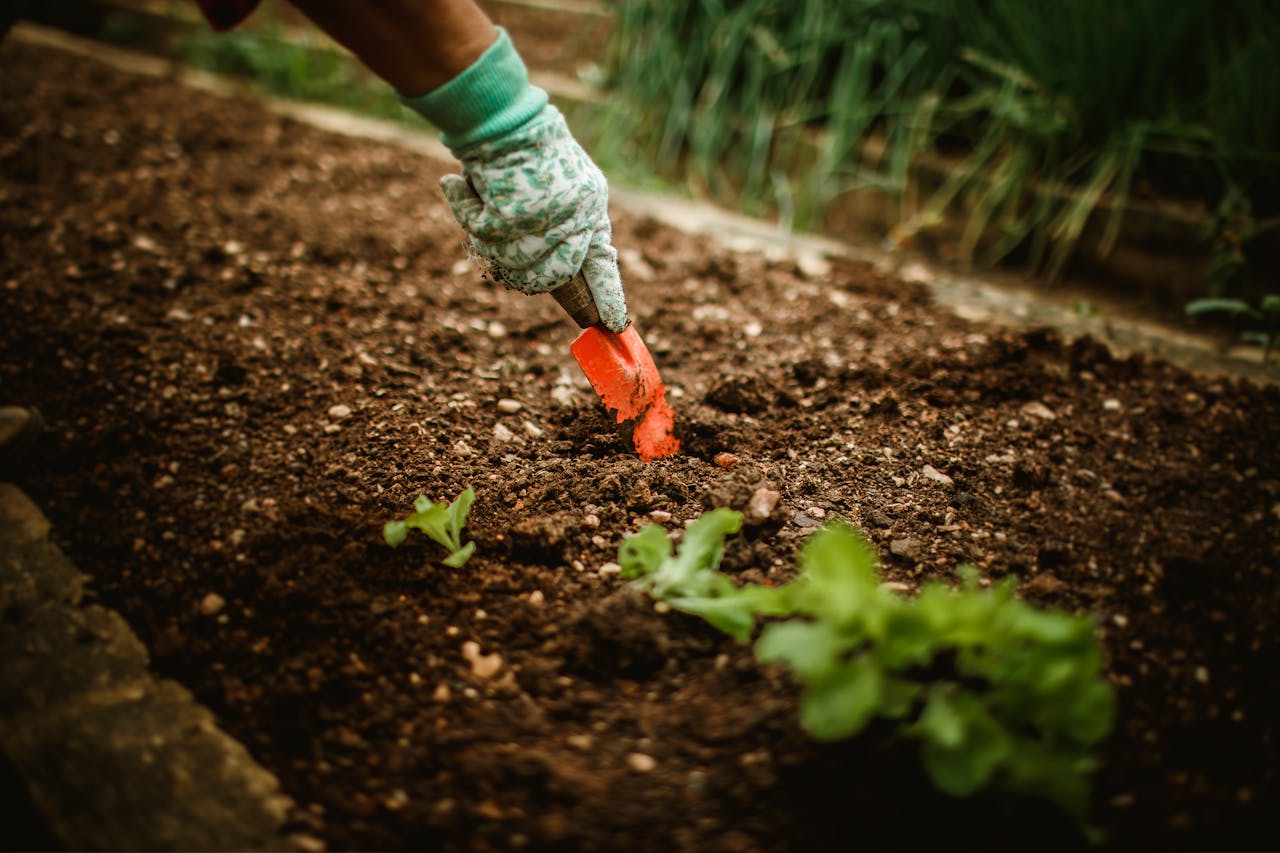
Summers in Louisiana don’t ease in, they show up full force. By the time June rolls around, you’re dealing with long stretches of heat, heavy afternoon rainstorms, and soil that’s either soaked or bone dry. All that temperature swing and moisture can hit a garden harder than expected, especially when the ground isn’t quite ready.
That’s where using the right landscaping garden soil can make a difference. A thoughtful soil choice doesn’t just fill a hole or level a surface. It gives your plants a better shot at healthy roots, keeps water from running off too fast, and helps your beds hold steady when the weather flips. Planning ahead based on the particular challenges of Louisiana summers can help your garden beds stay stronger all season long.
Recognizing Common Soil Problems in Louisiana Summers
We see a few soil issues pop up again and again this time of year, mostly because of how our local ground behaves when it gets hot and wet in quick cycles.
- Sandy soils can dry out in hours, especially after strong midday heat. They don’t keep nutrients or water around long enough for roots to benefit.
- Clay-heavy areas don’t drain well. After a heavy rain, water pools at the surface, and roots may rot under the weight of it. Even worse, once that clay dries up, it hardens and cracks.
- Compacted soil, often from old construction, can quietly restrict airflow and water movement. It might seem fine on top while roots struggle underneath.
We’ve also learned to pay closer attention to how past seasons affect present soil health. If your yard flooded in early spring or stayed soggy from stormwater, some areas may have been stripped of nutrients. If parts dried out too much, the surface might crust and block new plants from digging in. Every bit of leftover stress from winter or spring can show up in summer, and that’s when soil performance really matters.
Choosing the Right Soil Mix for Hot, Humid Conditions
Once we look closely at what’s going on underground, the next move is choosing a soil blend that can handle long days of heat and sudden, pounding rain. Not all dirt works the same.
- Blended topsoil with compost gives yards more body and richer nutrients while keeping water available longer after each rain.
- Organic-rich soils provide structure and airflow. These types give roots room to grow and help soak up water without clumping into heavy mass.
- Sandy mixes can be helpful for beds that need faster drainage, especially if you’re working on a slope or near pavement.
Extra materials like peat, pine bark fines, or even washed sand can shift the way a mix holds water. A little compost boosts nutrient levels, and ingredients like perlite or pine fines widen airflow while balancing moisture. When we talk about good landscaping garden soil, we mean the kind that doesn’t need constant touch-ups. It should match the rain pattern, heat levels, and sun exposure your garden sees on a normal week in June.
Each garden corner might need something a little different, depending on whether it gets more shade, sits lower in the yard, or is exposed to wind more often. That’s why walking your space before making soil choices helps you customize the blend for each project, ensuring each area of your yard is set up for success.
Soil Accessories That Support Lasting Results
Getting the base right is only the start. Accessories play a role in helping soil work longer through the toughest weeks. Once the humidity cranks up and the sun stays out from dawn to dusk, we look for ways to avoid reworking the same space twice.
- Mulch holds in moisture and takes the edge off the heat. Organic materials like pine bark or straw give a good top layer that breaks down gradually without smothering the soil.
- Ground covers like creeping thyme or other low runners sit well near beds or walkways. They help with erosion and shade the roots without competing too hard for water.
- For bigger rain events, laying a fabric barrier under gravel or beds cuts back on soil loss. It also lets water through without washing the topsoil away.
- Soil conditioners or gel-based amendments can hold water longer during dry runs, giving the roots a little backup on days you can’t water right away.
Small early decisions like adding a simple edge mulch or lining a garden bed can help you skip a lot of midseason repairs and replantings.
Picking the right accessories goes beyond function, they add to the look of the landscape too. Mulch gives a finished look to the bed, covering bare earth and making plants stand out. Ground covers warm up empty corners and make garden paths softer underfoot, helping the whole space come together.
Timing Your Soil Prep for Better Summer Growth
By the first half of June, the clock starts ticking faster. The window for prep and planting tightens as storms become more frequent and hot days stack up. We’ve learned to use that early June stretch to get soil down and give it a little breathing room before planting starts.
1. Start early in the week so you have time to spread, settle, and adjust before stronger weather moves in.
2. After laying soil, water it lightly and let it rest. This helps it settle naturally, so the surface holds steady instead of shifting later.
3. Avoid adding soil during the hottest part of the day. Late morning works better than afternoon. In some yards, early evening can be a good time too.
4. Water regularly at first. That early soak helps the mix adjust and gives anything you plant better odds of rooting deep and quick.
A little patience with soil placement in June leads to fewer problems come July. The more time you give the soil to adjust before planting, the more likely your roots are to stay deep, healthy, and stable. Giving your soil and plants a good head start reduces stress when the long, hot days settle in and storms become more frequent.
This timing is especially important for larger projects like new beds or reshaping a yard after repairs. Extra days to watch for settling or drainage problems mean you can catch issues before they become tougher fixes.
Planning for Healthier Beds All Summer Long
When the foundation is solid, everything planted above it gets a chance to thrive. Beds built with the right mix and top-layer support hold up better through temperature swings, rough downpours, and those sneaky early dry spells.
Moisture-loving plants do well in soils that drain without drying too fast. Deep-rooting varieties dig in stronger when the mix gives them room. And even high-sun plants get stressed less when mulch protects their soil from baking under direct sunlight.
Small spring upgrades add up fast. A bag of compost, a few inches of mulch, or a smarter prep schedule can prevent skipped growth cycles, root rot, or washed-out beds. With summer hanging around deep into August in Louisiana, getting started in June gives everything the best chance to settle and stand strong. The sooner we build the ground to match the season, the smoother the growing stretches ahead.
Even as the weeks get hotter, these steps help every kind of plant fare better, whether it’s a row of tomatoes, a patch of bright flowers, or hardy ground cover on a slope. Adapt each step to your own space, whether it’s a backyard bed, a shaded side yard, or a strip of grass by the driveway, so all of your landscaping holds up and looks great.
When you’re tending your garden beds in Kenner, Louisiana, choosing the right foundation can make all the difference through our intense summers and unpredictable storms. A healthy mix that supports both drainage and airflow gives your plants their best chance to thrive. We offer blends for various yard types, helping you manage moisture and encourage strong roots. For expert guidance on selecting the best landscaping garden soil for your project, just contact Reliable Soil Co. Inc., and let’s make sure your soil is ready for whatever the season brings.