July’s a tricky month when it comes to outdoor work in Kenner, Louisiana. The heat builds fast, and on most afternoons, the sky cracks open with heavy rain. That can be hard on soil and whatever is planted in it. When the wrong kind of soil gets used, maybe too sandy, too tight, or just not made for warm, wet weather, problems show up fast. Flower beds can flood or dry out. Sod starts to brown. Raised gardens can turn into compacted messes that don’t drain like they’re supposed to.
That’s why picking the right landscaping soil for sale in July matters. Whether the job involves patching a lawn, refilling low ground, or planting again after spring’s growth has faded, the right soil sets up the whole space for smoother weeks ahead.
Understanding Soil Performance in Midsummer
By the time July hits, Louisiana soil is already dealing with a lot. Morning heat dries out the surface quickly, and then thunderstorms roll in and soak everything by evening. This back-and-forth keeps soil constantly shifting. If it’s too light, all that rain will wash nutrients away. If it stays soggy, air can’t reach the roots, and rot sets in.
When the soil isn’t right for the job, we start to see plant stress early. Leaves begin to curl or yellow. Standing water lingers long after the clouds move out. On construction-heavy sites, poorly draining soil causes ground movement or surface erosion that can undo earlier prep.
We usually get more calls about flooding near root systems, slumping flower beds, or soil that hardens into a crust as soon as the sun hits it. These are all signs that the soil doesn’t match the weather and coverage that July demands. Even simple planting can be set back if the conditions aren’t right below the surface.
Types of Soil Commonly Used in July Projects
We’ve worked with a lot of different soils this time of year. Which one works best all depends on what you’re doing and where it’s going. Here’s a look at some options we see most often:
- Topsoil: This is good for leveling and layering over existing patches. It adds nutrients and covers bare spots well.
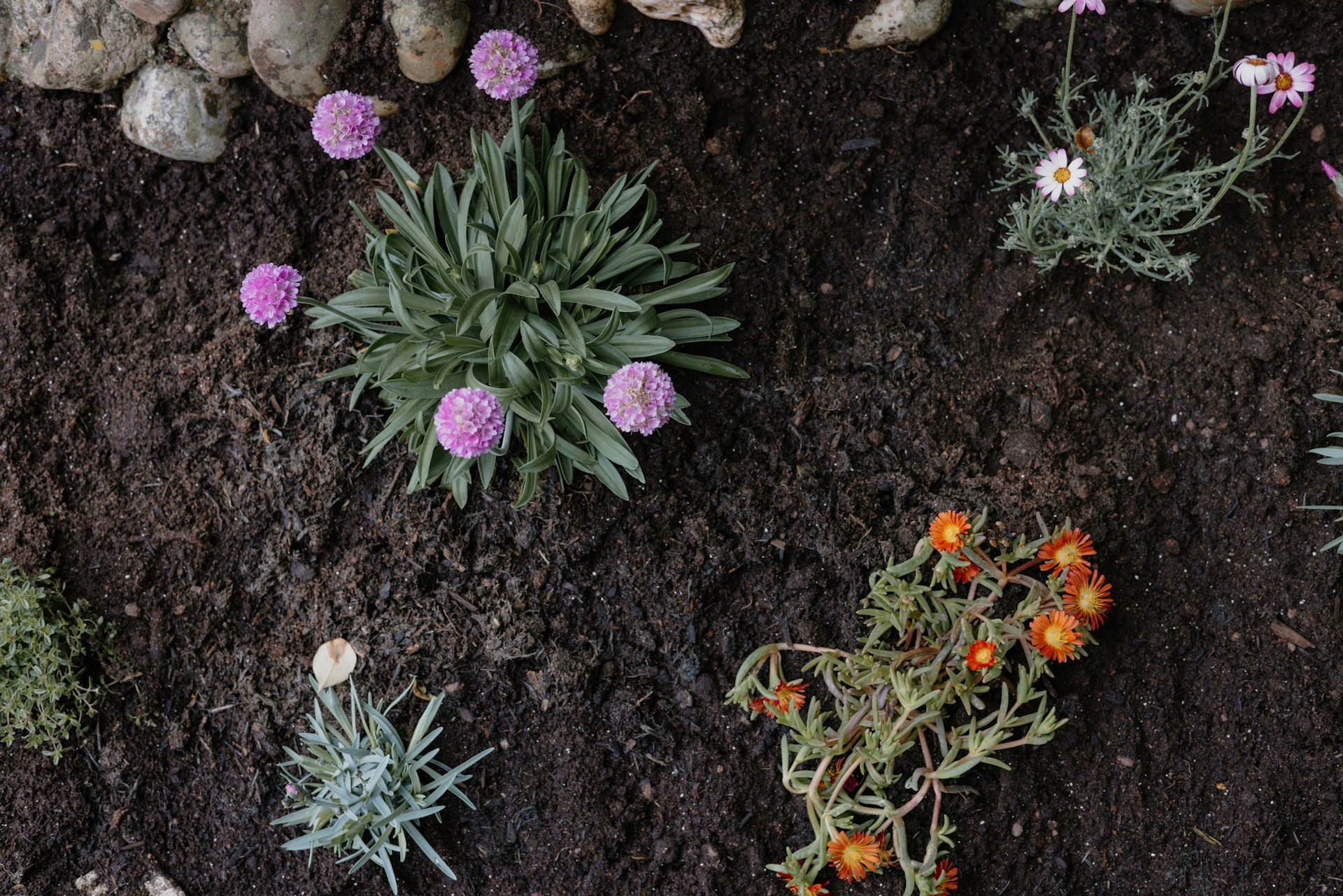
- Garden soil: A richer mix, usually with compost. Best used in raised beds or container gardens where plant roots need stronger nutrition.
- Fill dirt: More compact and less focused on nutrients. It’s useful for leveling out dips, backfilling, or shaping ground before adding other material.
- Specialized soil blends: These mixes are made to help either hold moisture in or improve drainage. They’re key in July when the ground gets hit by both heat and rain.
Working in summer means soil is doing double duty. It has to keep plants fed, absorb water fast without turning to clay, and avoid breaking down too early. In flower beds, we see garden soil working best. For rain-heavy areas, sand-based blends help water drain while keeping structure firm. Lawns and sod benefit most from screened topsoil or lightweight mixes that won’t smother the roots when the sun’s overhead.
Choosing the right soil isn’t about following trends. It means knowing the land you’re working with and matching what you lay down to the conditions you face. In the unique climate of Kenner, options like topsoil, garden soil, and custom blends make all the difference when the weather refuses to cooperate.
Matching Soil to Specific Project Types
Not every job works with the same mix. Summer tends to bring out the bigger tasks, like refreshing flower beds, laying down new sod, or prepping areas that need to be planted again in the fall.
1. Flower beds: Garden soil works great thanks to its organic matter and moderate drainage. Beds in direct sun may need extra moisture-holding ability, so sometimes we add a little compost or lightweight blend.
2. Sod installs: We usually go for topsoil that’s been screened to remove rocks. It lets roots settle fast before the July heat gets too deep.
3. Fall preparations: If you’re leveling or adding depth now so planting is easier next season, start with fill dirt for the shape, then finish with garden soil or a custom blend on the surface.
Project size and pressure matter too. Jobsite soil tends to carry more weight, both physically and in how it needs to perform. You want stable base layers that won’t slump or shift when equipment drives over. At home, a raised herb bed doesn’t have that same requirement, so lighter, more nutrient-dense options are fine.
Planning each project step makes a big difference. Think about what’s needed not just for today, but for what might come in a few weeks. Mixing and matching soil types to fit the job saves effort when the weather changes again.
How to Evaluate Yard and Site Conditions Before Buying
Before anyone orders soil by the yard, it helps to check a few basics at the site. Existing ground tells us a lot about what’s needed.
- Texture: If the soil turns sticky when wet, it might need sandier mixes to improve drainage. If it flows like dry powder, compost or clay-rich soil will help it hold together.
- Drainage: Dig a small hole and fill it with water. If it drains too fast, you’ll need something heavier. If it holds for too long, consider blended or sandy soil options.
- Compaction: Press a spade into the soil. If it’s too hard to get past a few inches, the site may need a more open blend that allows for airflow and easier root spread.
Getting the right quantity also helps avoid waste. Most summer projects use more than people expect, especially if ground has settled or eroded from spring storms. We usually recommend measuring length, width, and depth in feet, then using that to estimate cubic volume. For larger sites, we bump up the order slightly to allow for any settling that comes after rain.
Local weather plays a role too. In Kenner, Louisiana, mid-summer means above-average rainfall and high temperatures. Buying soil that’s already suited to those conditions gives you better odds of avoiding do-overs halfway through the job.
Pay attention to your site’s personality. A quick walk or basic test in the yard can tell you a lot about what to look for at the supply store. Small steps like this set the stage for longer-lasting results during the summer heat.
What to Ask When Looking for Landscaping Soil for Sale
Not all soils are the same, even when they’re labeled the same. Asking the right questions helps make sure the product really fits the job.
- What’s in the mix? Look for details about organic materials, sand content, and whether it has added compost or peat.
- Where was it sourced? Local soil performs better in local weather, especially in humid areas.
- How wet is it? Some suppliers store their soil uncovered, which means it’s extra wet after a storm. That affects both weight and workability.
- Can it be delivered quickly? If you’re in the middle of a project, timing matters. Getting the load when it’s needed keeps everything on schedule.
When we’re checking soil, we also run a quick look test. Clumps that fall apart too fast might be too dry, while soil that feels like mud can be too saturated, especially if it’s been sitting in piles. A healthy mix should crumble slightly when you pinch it and still hold a little shape.
Little questions make a big difference, especially in July, when conditions turn fast and crews are trying to stay out of the afternoon heat. Sometimes, just knowing a little more about what you’re getting makes the difference between redoing a bed in August or being able to enjoy a steady, thriving yard.
Build Long-Term Success with the Right Summer Soil Choice
Getting midsummer soil right does more than keep things green through July. It builds a base that handles the stress of late summer and gives fall plantings a head start. Plants get stronger roots, water flows where it should, and jobs don’t have to pause or backtrack every time it rains.
Choosing soil based on July conditions isn’t about overthinking, it’s about paying attention to what the yard or jobsite is already showing. When things hold shape through a downpour or keep growing after five straight sunny days, it usually means the mix was a good match. That kind of result is always worth planning for.
Working through the heat in Kenner, Louisiana, means you need a soil solution you can count on. Our mixes are designed to handle both wet and dry conditions, making planting and maintaining strong roots easier all season. From garden beds to sod preparation and larger job sites, we have the materials to match your needs. Explore our available options for landscaping soil for sale and give us a call to get started. Reliable Soil Co. Inc. is ready to help you build a solid foundation for summer success.