
Healthy Roots Start with the Right Soil Structure
Healthy plants start with healthy roots. If the soil under your grass and flower beds is not right, your plants will struggle, no matter how often you water or how nice they look on planting day. Roots need three simple things to grow well: air, moisture, and space. When soil blocks any of these, roots can start to suffocate.
Here in Louisiana, spring is the time when many homeowners and property managers refresh lawns, build new beds, and plant trees and shrubs. It is easy to focus on pretty flowers and fresh mulch, but what really matters is what is happening under the surface. Compacted, water-logged, or poorly drained landscaping soil can starve roots of oxygen, hold too much water, and leave plants weak and stressed.
We call this “suffocating” soil, and it shows up in a lot of yards and commercial sites in our area. In this article, we will walk through the warning signs above and below ground, how soil behaves after a good rain, and simple changes that can help roots breathe again. Our goal is to help you spot problems early so you can refresh your soil and keep your outdoor spaces healthy and attractive.
Spotting Above-Ground Stress Before Plants Collapse
Most people first notice soil problems by what they see in the leaves and stems. The tricky part is that many symptoms look like other issues, such as not enough water or too much sun. Still, there are some clear hints that your landscaping soil might be suffocating plant roots.
Watch for these early signs on top growth:
- Wilting even when the soil feels wet
- Yellowing leaves, especially on the lower parts of the plant
- Slow or no new growth, even in the active growing season
- Sudden leaf drop on trees and shrubs without an obvious cause
When soil is packed tight, water can sit around the roots instead of moving through the ground. The plant tries to drink, but the roots cannot get enough oxygen, so it wilts as if it is dry. This can confuse anyone who checks the soil and finds it damp or even soggy.
Patchy performance is another big clue. You may have:
- One section of lawn that stays thin while the rest looks full
- A row of shrubs where a few look sick but others are fine
- Flower beds where certain spots always fail, even with new plants
When the same type of plant gets the same sunlight and care, but only some struggle, the soil under those weak plants is often tighter or slower to drain. These above-ground signs tend to show up as days get longer in spring and plants start to push new growth. That makes this season a smart time to notice stress and adjust your soil before the real heat arrives.
How Problem Landscaping Soil Behaves After Rain
Rain is one of the easiest tests for your landscaping soil. Healthy soil acts like a sponge with tiny spaces inside. It soaks in water, then lets the extra drain away, leaving both moisture and air for the roots.
Good soil will usually:
- Take in rain without large puddles forming
- Drain within several hours after a normal shower
- Feel soft and springy when you walk across it
Suffocating soil acts very differently. After a rain, you might see:
- Puddles that stay for more than a day
- Water running off beds and lawn areas instead of soaking in
- Ground that feels sticky and heavy or, once dry, hard like concrete
All of these signs point to compaction, poor structure, or a mix of both. The soil particles are pressed so tightly together that water and air cannot move well.
You can try a couple of simple at-home checks after the rain stops:
- Dig a small hole about 6 to 8 inches deep in a few spots. Is the soil wet all the way down or only at the top? Do you hit a hard layer that stops your shovel?
- Take a handful of soil and gently squeeze it. Does it form a solid clump that will not break apart, or does it crumble with a light touch? Solid clumps often mean poor drainage and low air space.
You do not need special tools, just a shovel and your hands. These quick checks can tell you a lot about how your landscaping soil is treating plant roots.
Hidden Root Problems Beneath the Surface
To really understand if your soil is suffocating roots, you sometimes need to look under the plants. Compacted layers or heavy clay can force roots to stay shallow. Instead of growing deep and strong, they spread sideways near the surface. These roots dry out quickly, are easy to damage, and cannot support the plant well.
You might notice problems when you dig, move, or replace plants:
- Short, stunted root systems that have not traveled far from the original planting hole
- Circling or tangled roots wrapping around each other instead of reaching out into the soil
- Dark, mushy, or foul-smelling roots, which can point to rot from too much moisture and not enough air
Around foundations, driveways, old construction areas, or compacted play spaces, tree and shrub roots often crowd near the top or curve around hard spots. They are searching for looser, friendlier soil. When they hit a tight, air-starved layer, they turn and look for easier paths, which can create odd growth patterns and weak support.
Seeing these root issues is a strong sign that your soil needs help, not just new plants.
Fixing Suffocating Soil with Better Materials and Care
The good news is that many struggling areas can be improved with the right materials and some thoughtful care before the peak of summer. The goal is simple: create more space in the soil for air and water to move so roots can breathe again.
Helpful steps can include:
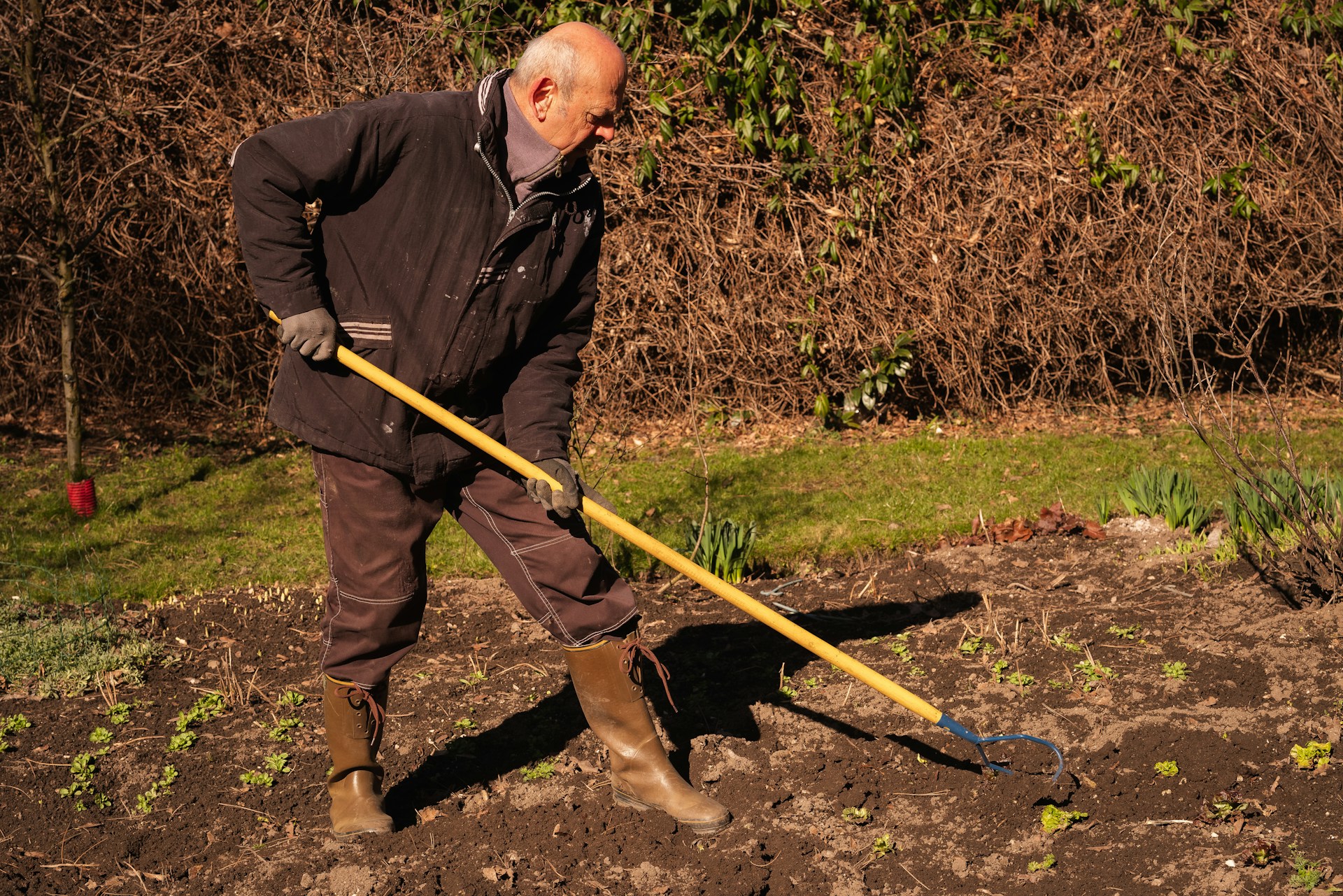
- Loosening compacted soil in beds and problem lawn areas
- Mixing in quality topsoil to rebuild structure and depth
- Adding organic matter to create small spaces between soil particles
- Using sand or stone in the right spots to support drainage
- Adding mulch on top to protect moisture balance and reduce surface crusting
The key is choosing the correct landscaping soil blend for each part of your property. For example, a sloped area that sheds water might benefit from materials that hold moisture a bit better, while a low, soggy corner likely needs soil that drains faster and does not stay saturated. Play areas and high-traffic walkways often need a different approach than quiet garden beds so the surface stays safe and the soil below does not get crushed.
Local experience matters here, because our weather patterns and soil types affect how products perform. Matching the right soil, sand, stone, and mulch to your exact conditions helps restore healthy air flow around roots and sets your plants up for long-term success.
Get Your Soil Spring Ready with Local Expertise
Spring is a smart time to walk your property and look closely at how your soil and plants are doing. Take a slow lap around your yard or commercial site. Notice any thin or patchy lawn spots, beds that stay wet, or plants that wilt and yellow even though they get regular water. Pay special attention to newly planted trees and shrubs, since their young roots are more sensitive to tight, soggy soil.
If you are not sure what you are seeing, bring questions, photos, or even a small soil sample when you visit Reliable Soil Co. Inc. in Kenner. We help homeowners, contractors, and property managers choose soil, sand, stone, and mulch that fit their specific sites and goals. With the right materials and a little care, you can open up suffocating soil, give roots room to breathe, and help your plants grow strong before the longest, sunniest days arrive.
Get Started With Your Project Today
Transform your outdoor space with high-quality landscaping soil selected to match your project’s specific needs. At Reliable Soil Co. Inc., we take the time to understand your goals so we can recommend the right materials for long-lasting results. If you are ready to move forward or have questions about your order, reach out through our contact page so we can help you plan your next steps.